
“Tomatoes on toast, luv, coming up”, said the housecoat-clad lady behind the chipped wooden counter. Not for me, I might add. Tinned tomatoes on thick sliced white bread (bad for you bread, as my eldest sister was often fond of saying as she served me a hangover-busting bacon sandwich back in my Josh Tetley for PM days…) toasted very lightly is not my cup of tea and never was….even at aged 12. Speaking of tea…”What d’you want, luv?” “Tea” “Large mug, luv?” “Yeah”. The scene from a long-ago time in my youth…the once legendary Tommy’s café in Otley, West Yorks 1979. There were (and still are) a number of cafes that served as regular tea stops for club riders in the Wharfedale area and Tommy’s was multi-purpose. For me, I could ride from my home on the outskirts of Leeds and have a fast descent down any one of a number of climbs (East Chevin, Arthington Bank, even the main Otley-Leeds road) before a quick stop at Chevin Cycles (not where it is now…further back out of town) and gaze longingly at their own steel Delta Sportiv frames and bikes (“It’s going to the Harrogate show, that one”), or pop in and get told off for not having my Lion tubs glued on properly (that’s a whole other story…) , before heading to Tommy’s – bikes stacked 6 or 7 deep outside under each window – for a cup of tea and a……..well, nothing. Back in the good old days I carried sandwiches for lunch and a Mars Bar was your get out of jail free card (see my earlier post about beans on toast!). The “bonk” was inevitable, and a frequent occurrence. And so it continued to be until (for me) the late 1980’s.
The arrival of glucose polymer and sports drink brands such as Maxim were a major revelation. Personally, I went from feeling physically unwell on long rides on a diet of solid food/bonking badly in the 3rd hour of a ride to being able to do a 4 hour ride on one bottle…and, crucially, feeling stronger for longer. Race food (dried apricots – I still can’t face them now after having had them sweating away in my jersey pockets back in the 80s) and longer ride fuel (Kendal Mint Cake – recommended by a very experienced cyclist, along with cold rice pudding. The latter I like, the former has got to be one of the worst things imaginable for a man without a sweet tooth…) both went out of the window as I went scientific – and it really was a revelation in performance terms.
Now, of course, things have moved on even further and nutrition for cyclists and athletes generally underpins successful performance across disciplines and distances. I am frequently asked to provide nutritional advice and strategies for riders – particularly those taking on long events like the Marmotte or, closer to home, The Dragon Ride. I am also regularly surprised that the sports nutrition explosion has passed some riders by……or has completely confused them. The best advice with regard to sports nutrition and what you should eat/drink I can give is that which has been passed on to me in a different context, by a friend who trains others to defend themselves physically in potentially dangerous encounters they might have at work (I was trying to imagine this in a cycling coach context: I can’t presently think of a situation where my actions might enrage someone so much they would want to assault me with a blunt instrument. Well, maybe this blog.) – he said, and I quote : “About the worst thing you can do is nothing at all”. And I would add to that : whatever you do make sure you practise it, make sure you know your Irmi Tenkan from your Irmi Nage…..see, I attained a low grading in Aikido so don’t mess with the coach. A classic example in nutrition terms is believing that an electrolyte tab in water is an energy drink – I have come across this a number of times, usually during or after an event, from glazed eyed individuals wolfing down Mars Bars…
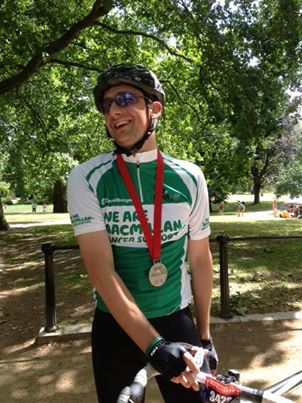
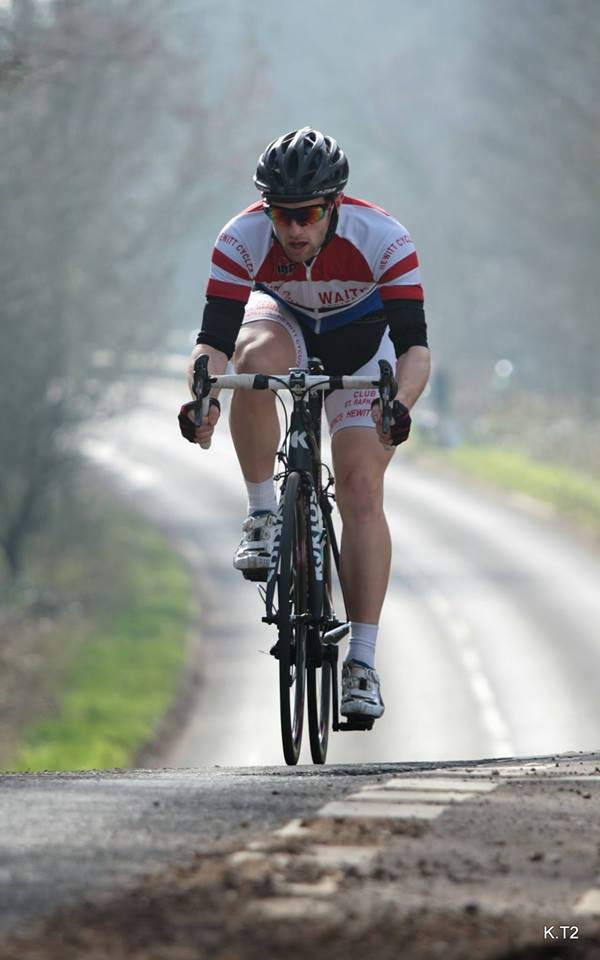
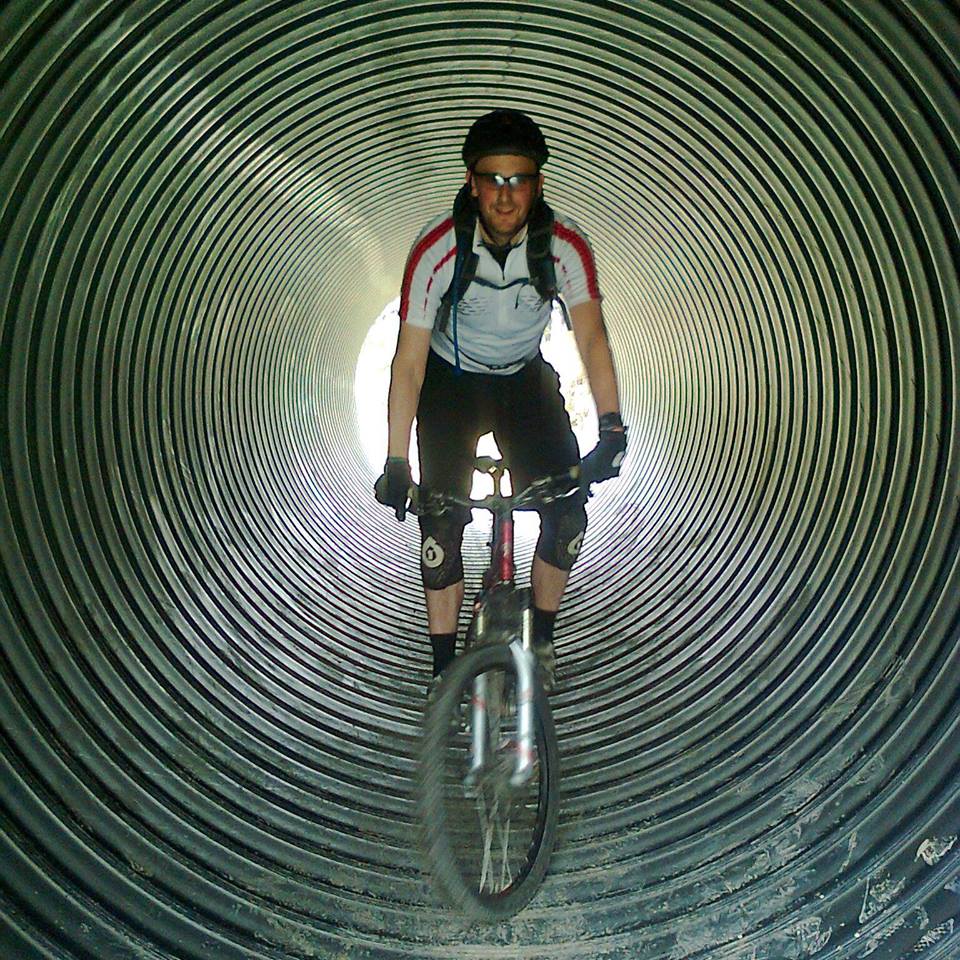
So – the latest chapter in the Going Long series (and apologies for the delay) deals with the demands of long events and a practical guide to fuelling them. The text comes from Trevor Marshall, a client and very experienced rider who has, as you will find out, taken part very successfully in a number of cycling disciplines and has a real liking for long events…The Dulwich Dynamo one of his favourites from last year. Here is his take on nutrition – and I should point out that I have used all the products he mentions, recommend all of them frequently to clients and share Trevor’s opinion that you should try a variety of products and find what works for you. Trevor will be joining us in Spain March 21st-28th for the Black Cat Training camp where we will be fuelled by sponsors High 5 – http://www.ciclocostablanca.com/en/events-2015/black-cat-cycle-coaching-camp-21-28-march-2.html
Sports Nutrition & me
The most noticeable thing about nutrition for me has been how the need t pay attention to doing it correctly it increases as you age and becomes more and more essential to get it right if you’re going to do well or even just enjoy the day. I can recall as a teenager going out for 100+ mile rides with nothing more than a drink bottle of Ribena and a Mars bar!
How that has changed! It’s almost become a “dark art” with just about everyone having an opinion on the best solution when, in reality, there isn’t a perfect solution as we are all different, work at different tempos and expend calories at different rates.
Up until my mid thirties, I knew nothing of sports drinks other than maybe Lucozade. Whilst I had competed occasionally in TT’s (10’s mostly) my main riding was touring so there was always an opportunity to stop when you were hungry or thirsty to refuel. In my 30’s I discovered TT’ing properly and so in the pursuit of improvement, I started to use sports drinks. I had read somewhere that even a small reduction is body fluid could have significant effect on performance and so I decided to see if using a sports drink was better than water alone. My first experience was SiS products. No reason why other than it was cheap to buy through the cycle club. This was “Go” I recall. To be honest, it would be impossible to tell if it had any effect alone, however I do think it was one of many “marginal gains” that helped me consistently ride sub hour 25’s and get some good results.
As I progressed at 25mile distance, I trained myself over the course of a year not to drink at all. This was just me being a “weight weenie”. Over a year, I slowly improved my pre-race hydration so I could max effort for 50 minutes without the need for fluid and that seemed to work just as well. Riding 50′ and up though, I definitely needed fluid.
Being quite good at 25 & 50mile distance, my friends persuaded me to enter a 100. At this distance I needed food as well. Looking for a sub 4 hour event the advice was to use “High 5” bars, but this was a disaster. Whether I didn’t have enough or it was just wrong for me I’ll never know but at 75 miles I bonked and crawled across the line with a disappointed 4:17. I decided 100’s were not for me and never did another one. Had I got the feeding right, it might have been an entirely different tale.
That event had a big impact on me and I decided then that to improve beyond where I was would take more time than I had so instead I looked for new challenges and set about gearing up to ride LEJOG. This was in ’99
I invested in plenty of “High5” mix and bars but nutritionally it was a disaster. After the 2nd day I found I just could not digest it and my body was rejecting it. So without proper daytime refuelling and no knowledge of recovery fuelling, it was a rapid downhill in terms of performance, and every day was a huge challenge just to get on the bike in the morning. Every day I could have just not started. Whilst we all completed the ride in the 7 days, I was no longer enjoying it and gave up road riding and discovered mtb’s. I had no drive to compete with mtb’s and spent a few years just having fun so nutrition was not an issue. Over these years, the products changed immensely which I discovered in 2010 when I came back to competition. Not having the “need for speed”, I knew however that I could ride at pace for significant periods so a friend and I decided to have a go at a marathon mtb 7 day race. Nutrition would be essential so we set about trying different products and mixes so we were ready for the event.
I started with High 5 but immediately found I couldn’t tolerate it so I switched to Go. This was good for me as I started to discover the benefits of post ride recovery and found ReGo was a miracle product. So I had electrolytes and recovery sorted, now it was just nutrition. Seeing how SIS worked for me, I went with the gels. These were ok as I only really used them when in need. Not an ideal strategy for “feeding the ride”
With this sorted, we entered the Trans-Wales 7 day mtb race, 350 miles of off road torture and 15,000m of ascending. My choice of SIS was ideal and worked really well for me especially the Rego. Through the day, the event was well provided for so I rarely used the gels and the evening feed was sufficient to prepare for the next day. This was clearly a part of our success as we came 2nd in category (team male) which we were astounded by. Woo hoo! When it goes well…..
I was now convinced of the need to feed and rehydrate on a long ride, and definitely on a multi day ride.
We were so impressed that we entered again the next year. Kept the formula the same and this time we won our category! Brilliant! I was now hooked on multi day events and set my goal to do one 7 day event every year. I joined a new road club and set up an off road section but to my disappointment, the Trans Wales was canned.
Some friends at the bike club had spoken of an article years ago in Cycling Weekly to ride 10 fabled climbs in your lifetime. They set up a group called the 10 Col Velo to record this. So I suggested we should do it and complete it in the week as a challenge. They bit and we were off.
Nutritionally this would be a huge task. I was finding that the SIS had less impact. Do you become tolerant of the products so they are less effective? I thought it possible and so switched to TORQ. As an energy product, this was like rocket fuel so something was working. For me, the TORQ was ideal for energy, tasted good and was easily digestible. I then supplemented this with Zero’s so had 1 700ml bottle of each. This worked really well. The challenge before us was 10 cols but by coincidence it was Etape week and being in the Pyrenees 3 of our cols were on the Etape route so we actually took in 2 more, just for the fun of it! (Coach’s note – told you Trevor was a mile muncher…). Riding 2 Alpine cols a day at our own pace was comfortable but we all knew that 5 cols on the Etape was a different story. The solution seemed to be take sufficient products with you and not rely on what was available. A lesson I forgot recently and paid the price for! Food wise, I ate what was available and just as much as I could cram in. Generally supplied food at events is small in size and tolerable so, not being too picky, it’s fairly easy for me to select a banana and some flap jack and I’m done. So now on a big day when I know I’m going to run out, I take extra zeros and extra Torq in canisters (use a plastic bag if you need to, it works well also). The entire trip was a complete success!
2013 saw a repeat of LEJOG in a week, 930 miles in 7 days. We were supported, so no need to carry fuel or food daily. I stuck with the TORQ/zero combination and again all good, but now, the need to feed during the day was becoming more noticeable. Riding with the club, my body had become accustomed to 40 miles segments and then stopping whether it’s a feed stop or a coffee stop in winter, so to keep fuelled, it was essential to eat solid food at these intervals.
After LEJOG the 2nd time, I found the TORQ was losing some of its effects. Again I considered I was becoming tolerant to it. I tired High 5 2:1 which was ok but didn’t taste too great and didn’t seem to have much effect to me. I then discovered High 5 4:1 which seemed the right product for me for long and multi day rides. It worked a treat. It contains electrolyte, energy product and a little protein so on a long / multi day event helps to refuel as you go. On hot days I can supplement this with Zero’s so I now have 2 bottles of the same mix. Being used to the 40 mile stints, I rarely eat food while riding but always make sure I have a cereal bar or 2 in my pocket just in case. I carry these as generally they are quite edible with fluid and I can digest them well – vital when you’re working hard. From time to time I carry a gel but, honestly, I can’t remember the last time I used one.
This year (2014) it’s the Raid Pyrenees. 440 miles, 18,000m of climbing in 100 hours. Nutrition is critical and I think for now I have it sorted. I wouldn’t even attempt these challenges without knowing my body and understanding what it needs to get me through a day
So for me, nutrition played a big part in my riding. So much of our sport is psychological and when it goes wrong, it can often be because we didn’t respect our body’s needs. Then when it’s gone wrong, we don’t want to repeat the challenge or experience again.
In my book there is no “one for all” solution. It’s such a personal thing so I would encourage you to try your nutrition out in lesser rides until you find what works for you. Don’t be swayed by others and be prepared to change if you feel it’s not working for you any longer.
Finally, recovery is vital – mentally, physically and nutritionally.
Look after yourselves!
Trevor
Not sure I have anything much to add to that…..nutrition is like saddles: there’s a lot of choice and if you get it wrong it ends up being a pain in the a***. So – why not buy samples of some of the products mentioned and try them out? But make sure you do it in training first…..




 theblackcatscyclingwhiskers